
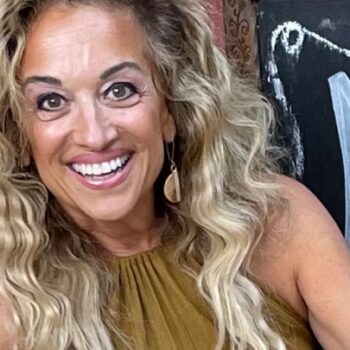
The art form of singing is my passion. I have had the great fortune to study with some of the most talented, phenomenal, and groundbreaking artists of our time.
When I earned my Undergraduate and Master’s degrees at USC, it was at a time when Henry Holt was our resident conductor. Robert Duerr was a guest conductor from the Met. Gwendolyn Koldofsky (the woman who invented the idea of the Accompanying Major) was the head coach and chair of the then-revolutionary Accompanying Department. Her Art Song classes were legendary.
Natalie Limonick, a maverick for her day, was the head opera coach, my professional mentor, and the accompanist to most of the big stars that came to LA to perform in recital. I owe everything to her believing in me and being my champion. Martin Katz visited from the Met and from his worldly travels to give multiple Master Classes.
Fast forward to Seattle Opera and working with Dean Williamson, the Principle Coach at the time, and Marianne Weltmann, voice teacher extraordinaire. Marianne Weltmann is a direct descendent of the Lamperti style of bel canto singing. She is only three generations removed! Nothing has been distorted or watered down from the original creator. It’s the bel canto mastery that I have embraced and have been so fortunate to have been taught.
This small list is but a sampling of the amazing instruction I received while earning my degrees at USC and working professionally. And it is this stellar training that I pay forward every time I sit at the piano to teach my students, whether it be in a high school or college setting, or in my private voice studio.
Everything stems from having a strong technical foundation, and yet I also learned a great deal while performing professionally. On-the-job training is priceless. The many different conductors and coaches I worked with, the behind-the-scenes unwritten rules, the audition practices that worked, and those that didn’t.
Learning and perfecting the craft of “living” a song, not merely singing the black dots on the lined page, was of great importance to me then, and it is to me now as a teacher. A singer must be a storyteller. He must put his thumbprint on everything he sings, and not be another cookie-cutter persona with a pretty voice. Regarding the strong technical foundation, it’s all about the breath, support, freedom, vowel placement, and musicality…in a nutshell.
Maintaining the utmost professionalism and focus is the primary purpose of my teaching; to develop artistic, intelligent, thoughtful, and successful singers. If a student is on board with that goal, we usually end up in a joyous dance of hard work, humor, laughter, high expectation, and success. Yes, to me, teaching the art of singing is a noble profession.
My resume affords the degrees I have earned, the people and places from whom and where I learned the roles and places I performed, and the places I have taught. It even lists the awards and honors my students have won throughout the years, as well as where many of them are performing professionally currently, and even the prestigious conservatories they attended after studying with me. But what my resume does not share is my tireless, profound passion for giving my knowledge to others. And doing it with humor and joy. People know when you’re faking it, and I’m the real deal.
When you think of Edie Nicholau Delegans, think of artistry, dedication, passion, joy, commitment, creativity, compassion, and faith. I have very high standards and I believe the only way to attain those standards with integrity is to love the work of laying a strong technical foundation, laugh a lot along the way, and be true to and celebrate the uniqueness and beauty of each human being. We all have something to say; a story to tell. I want to be the person who gives people their voice.
https://mcglobalmusic.org/wp-content/uploads/2023/07/IMG_3829-1.mov


